





Action needed to bring epilepsy out of the shadows
Clive’s family fought for a review, which led to the creation of the Clive Treacey Safety Checklist
Epilepsy is a challenging condition. One in five people with intellectual disability or autism has epilepsy, and the shocking fact is that having epilepsy makes them more likely to die younger than people with intellectual disability or autism who have any other condition.
People living with epilepsy and intellectual disability face extra risks and challenges that they, their families and carers and health professionals not only need to know about, but need to take active steps to manage, in order for them to live well and safely with their condition. This risk management is not an optional extra to their care but must be an integral part of their health and social care plans. Without this, the risk of premature, preventable death increases significantly, lives are lost, and families are left devastated and forever changed.
Decades of reports have found systemic failure. This is why at SUDEP Action we have fought for more than 30 years to prevent epilepsy-related deaths by raising awareness of the associated risks and by leading the way with partners in the creation of freely available tools, information and resources to help communicate and manage these risks as part of wider care. These resources were created in collaboration with people living with and bereaved by epilepsy, and with leading experts in the field.
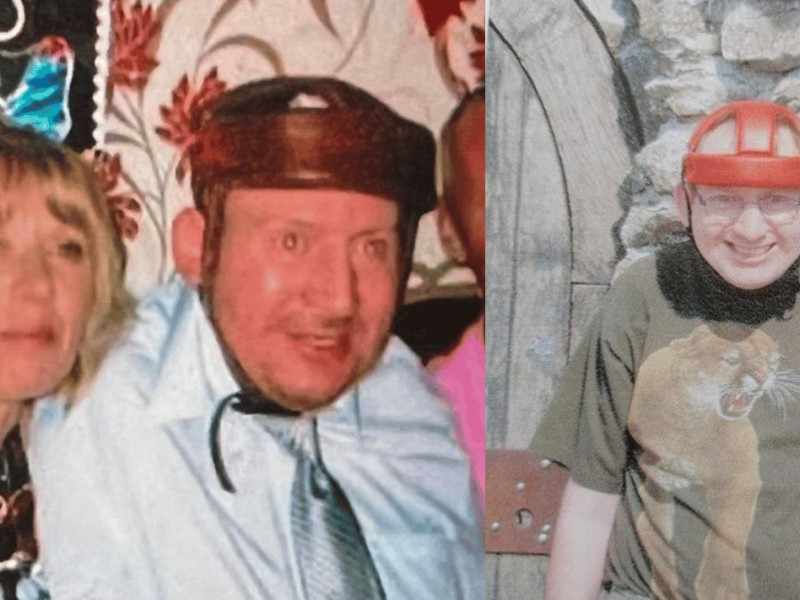
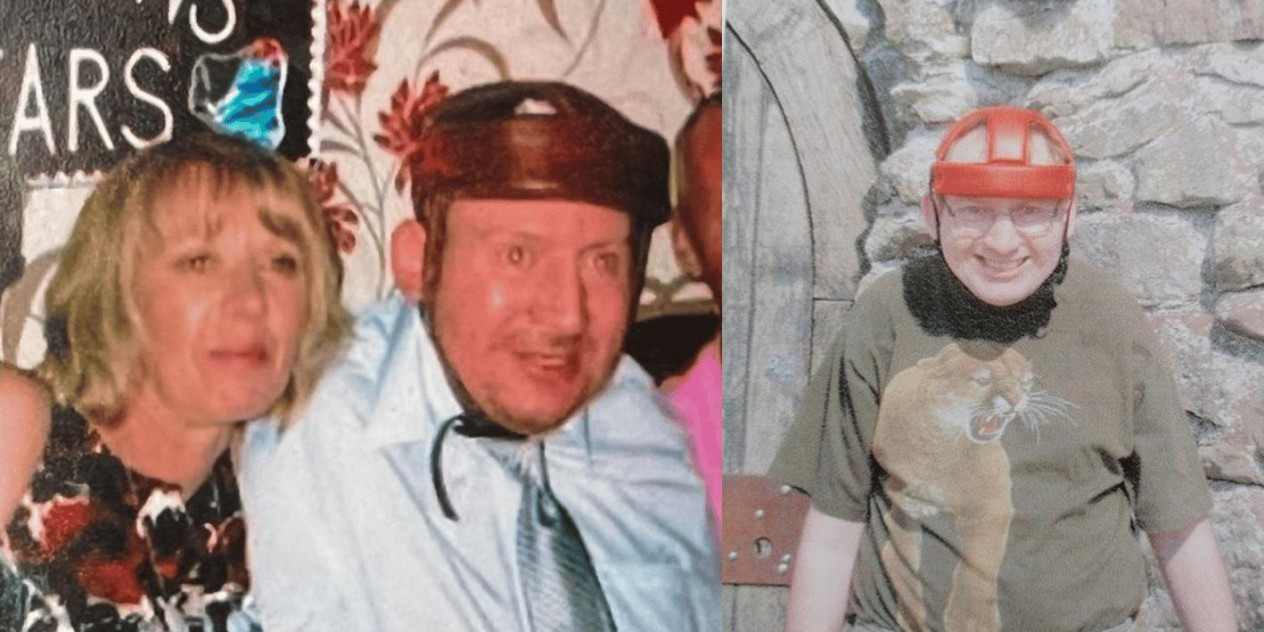
Clive Treacey was one of the people that failure cost. He lived with epilepsy and a learning disability that never defined him; those that knew him would tell you that he was defined by hope, and by family, and he gave both freely. He died in a way that should never have happened and his death was not properly investigated at the time. The family had to wait four years before an Independent Review into his death found what other reviews before and since have discovered in other cases: that the people responsible for his daily care and the people responsible for his health were never coordinated, and that in that gap the questions that should have kept him safe went unasked. Clive’s family fought for a review, which led to the creation of the Clive Treacey Safety Checklist – a simple practical way to close the same gap for someone else.
Resources exist now to prevent deaths and improve the quality of life for people with epilepsy. Action must follow – for national and local policymakers, and for professionals across health and social care, to bring epilepsy and its risks out of the shadows and to the forefront of the services they provide. Without this, deaths will continue to happen, and lives will not be lived to the fullest.
Sammy Ashby, Jane Hanna & Elaine Clarke (sister of Clive Treacey).
Find out more about the Clive Treacey Checklist
This article first appeared in ‘Epilepsy and Intellectual Disability’, a Fast Facts for Health Professionals title


