




Living with epilepsy: The hidden reality
Madeline Bolton-Smith shares an extract of her book 'Diary of an Epileptic: The Hidden Reality'
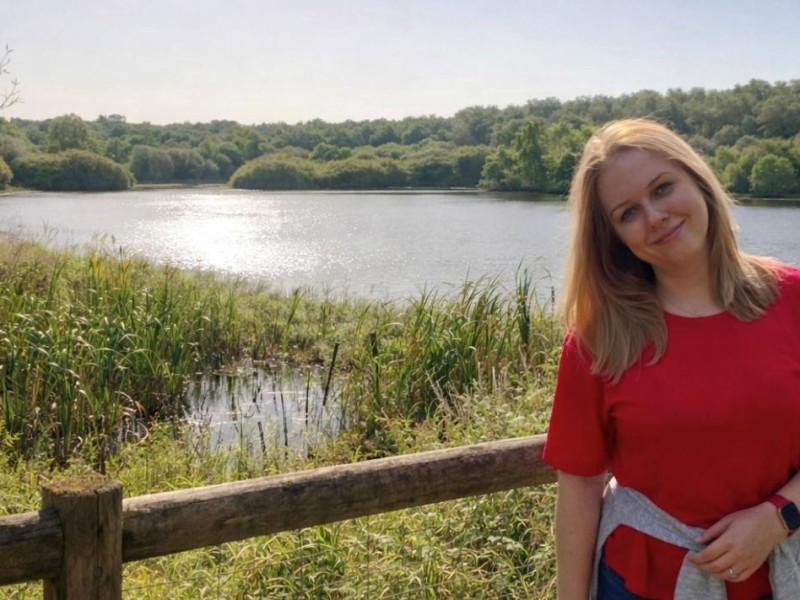
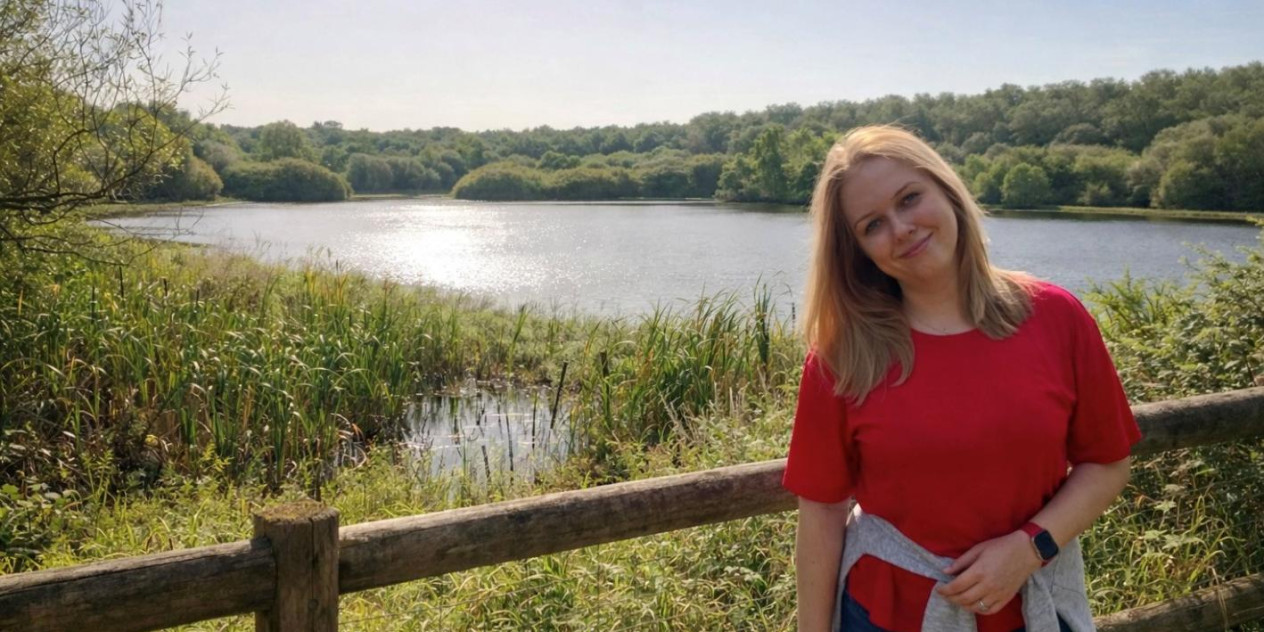
Madeline Bolton-Smith has lived with epilepsy most of her life and knows all too well about the fears and struggles that come with uncontrolled seizures.
She has documented what it’s like to live with epilepsy in her book ‘Diary of an Epileptic: The Hidden Reality’.
Madeline said: “This book is a deeply personal account of my journey with epilepsy from the age of thirteen through to adulthood. It covers the reality of uncontrolled seizures, status epilepticus, repeated medication failures, surgical investigations and the emotional impact that living with epilepsy can have on identity, independence and relationships.’
The fear of SUDEP is something Madeline has been forced to come to terms with – but she says people with epilepsy do need to have those difficult conversations with doctors about personal risk.
She said: “When I wrote about SUDEP I did so with great care. It is a subject that sits quietly in the background of many of our lives, often unspoken, always present. I wanted to acknowledge that reality without causing unnecessary fear.’
Today, with Madeline’s permission, we are sharing an extract from her book, which is available here.
***
For years I have organised my life around avoidance. Around thresholds. Around risk reduction. Around contingency planning. Around what might happen.
I have fought for procedures. Chased funding. Analysed scans. Read research papers late into the night searching for the next possibility. Yet life has continued moving regardless.
If you are newly diagnosed, you will quickly learn how fragile the brain is. You will learn words that frighten you. You will calculate risks that other people never consider. You may begin to feel as though your identity has been reduced to a diagnosis. Do not let it. Epilepsy can shape your routines. It can limit you. It can frighten you. It can exhaust you. But it is not what you are.
I don’t think I will end up choosing conventional resective surgery. I don’t know if one day research will offer something safer or more precise. I do not know how many more seizures I will have. I’ve stopped counting.
What I do know is this. On my wedding day I made a quiet plan. I took my medication the night before and again on the morning of the ceremony, just to reduce the risk. I didn’t have a seizure, although it came with two rather painful headaches. Once the service was over and the nerves had settled, something unexpected happened. I stopped thinking about epilepsy. For the rest of the day, I was simply present. Not monitoring myself. Not calculating risk. Just there.
Waiting for epilepsy to be ‘cured’ before allowing yourself to live is another kind of loss. At the time of writing, within the span of a week, my neurologist retired, my seizures amplified and the woman who had quietly stepped into the role of grandmother was gone. Time moved forward without asking my permission. My seizures remain present. I am still here. And that is not a small thing.


